100% Arabica Green Coffee Beans from Ecuador
Partner with us for consistent quality and contract reliability.
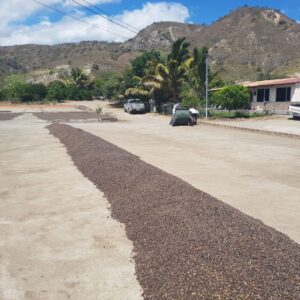
Our farm: Finca Valle Dorado
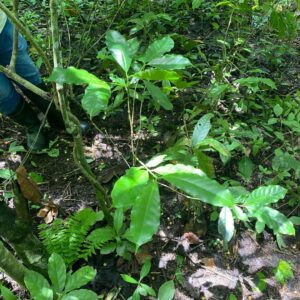
We are a local farm based in Jipijapa, Ecuador, a region known for its ancestral agricultural heritage. Our goal is to grow sustainably by combining traditional farming knowledge with modern practices.
We own 150 hectares of farmland in Jipijapa, Ecuador, demonstrating strong adaptability and soil fertility.
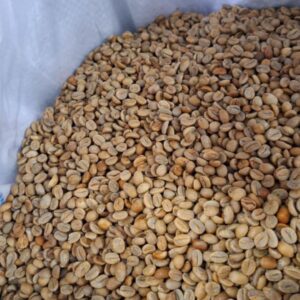
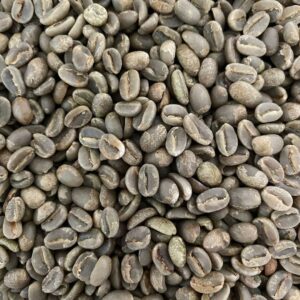
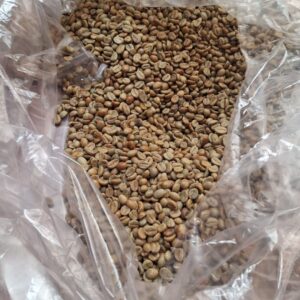
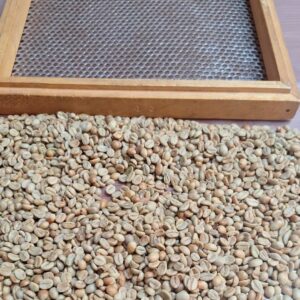
Green Coffee Beans
Ecuador offers unique coffee-growing conditions thanks to its volcanic soils, diverse microclimates, abundant rainfall, and elevations ranging from 800 to over 2,000 meters above sea level.
We offer carefully selected Green Coffee Beans from Ecuador, available in four options:
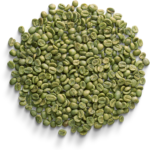
TECHNICAL SHEET – ECGM1: SPECIALTY MICROLOTS – NATURAL AND WASHED
Altitude: 1,800–2,000 M.A.S.L.
Species: 100% Arabica
Varieties: Specialty Microlots (Geisha, Sidra, Bourbon)
Process: Natural and washed
Screen size (mesh): 18
Moisture level: 10–12%
Profile: Bergamot, white florals, citrus zest, tea-like body
Cupping Score: 85-88 SCA
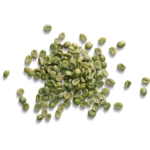
tECHNICAL SHEET – ECCOG1: ORGANIC CERTIFIED SHB ARABICA BLEND NATURAL & WASHED
Altitude: 1,400–1,800 M.A.S.L.
Species: 100% Arabica
Varieties: Caturra, Typica, Typica Mejorada, Bourbon
Process: Natural and washed
Screen size (mesh): 16/18
Moisture level: 10–12%
Certifications characteristics: Produced without synthetic pesticides, herbicides, fertilizers, or GMO’s (Genetically Modified Organisms)
Profile: Panela, caramel, chocolate, dry fruits, clean cup
Cupping Score: 80-82 SCA
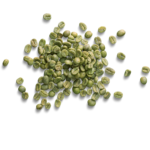
TECHNICAL SHEET – ECG2: G1 (GRADE 1) SHB – “REGIONAL BLEND”
Altitude: 1,400–1,800 M.A.S.L.
Species: 100% Arabica
Varieties: Caturra, Typica, Typica Mejorada, Bourbon
Process: Natural and washed
Screen size (mesh): 16/18
Moisture level: 10–12%
Certification characteristics: Produced without synthetic pesticides, herbicides, fertilizers, or genetically modified organisms (GMOs).
Profile: Panela, caramel, chocolate, dry fruits, consistent aftertaste
Cupping Score: 80-82 SCA
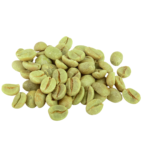
TECHNICAL SHEET – ECG3: “COMMERCIAL BLEND”
Altitude: 400–900 M.A.S.L.
Species: 100% Arabica
Varieties: Caturra, Typica, Typica Mejorada, Bourbon, and Sarchimor
Process: Natural Dry
Screen size (mesh): 14/16
Moisture level: 10–12%
Profile: Nutty, mild fruit, chocolatey
Cupping Score: 70-74 SCA
Storage temperature: 15–25 °C
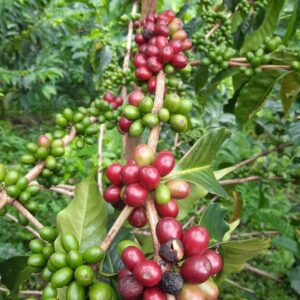
From Coffee Plant to Harvest
Our coffee is produced in Jipijapa, Manabí in our “Finca Valle Dorado”, which translate to a local family owned farm. We also select coffee cherries for processing into green coffee beans from farms located in: Loja, Zamora Chinchipe, Pichincha, Imbabura, Azuay and El Oro.
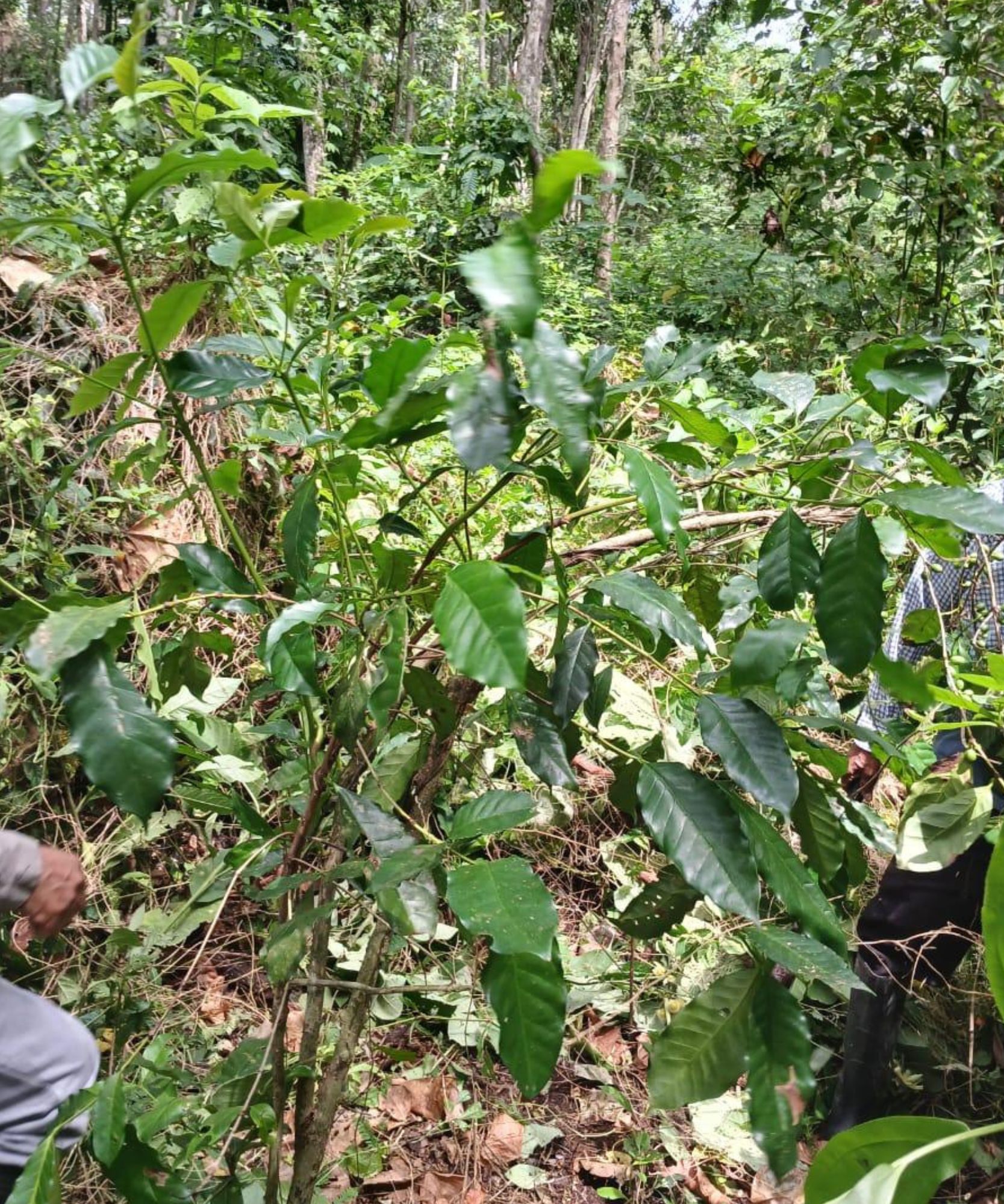
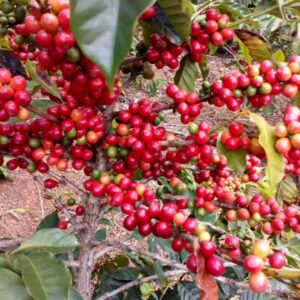
1. Cultivation
Coffee plants are grown under carefully managed conditions that promote healthy development and bean quality.
Good agricultural practices include:
– Soil analysis and management
– Shade regulation
– Sustainable fertilization
– Pruning programs
– Integrated pest management
– Water conservation
We focus on maintaining plant health while improving productivity and cup quality.
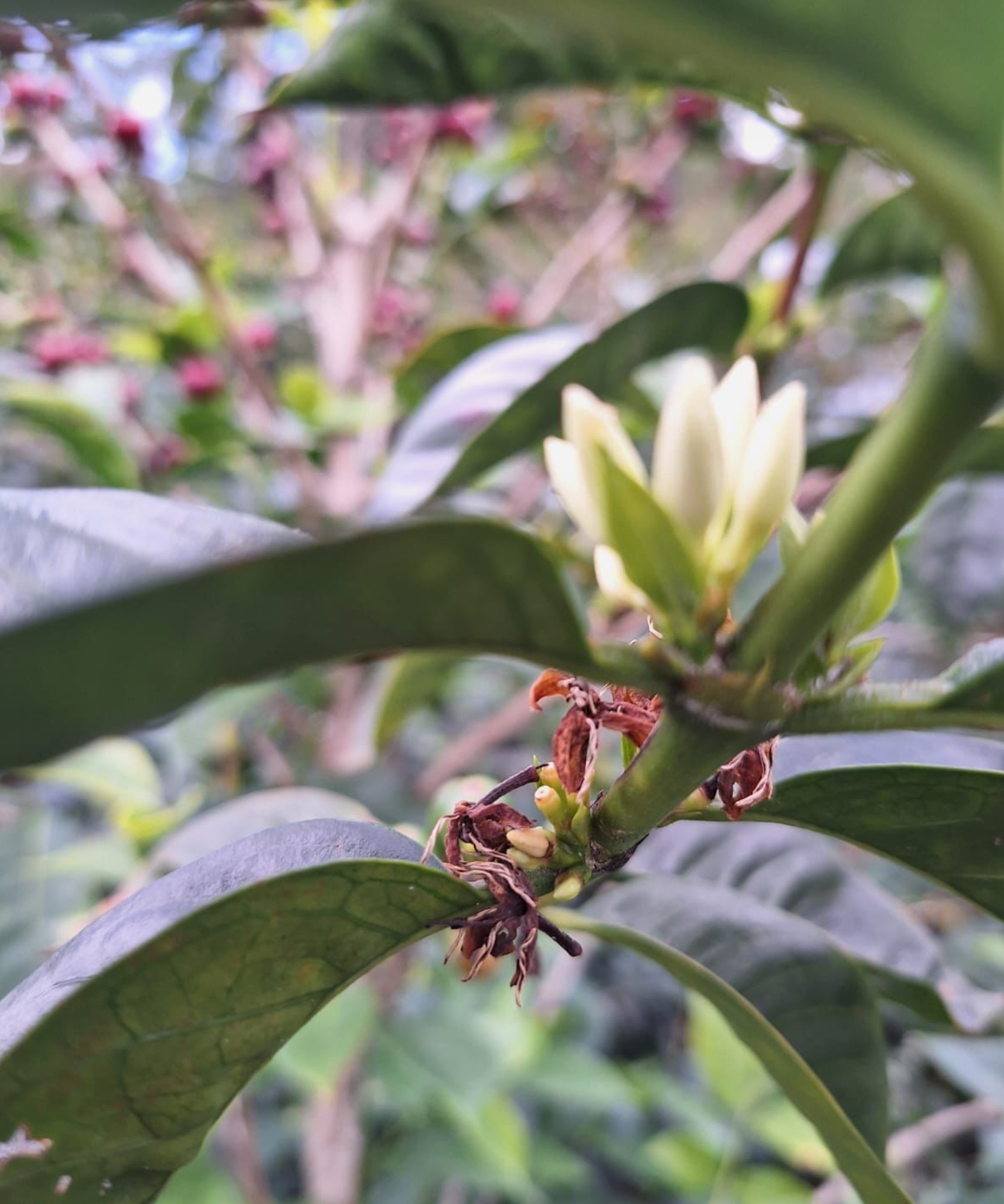
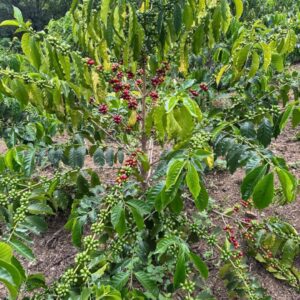
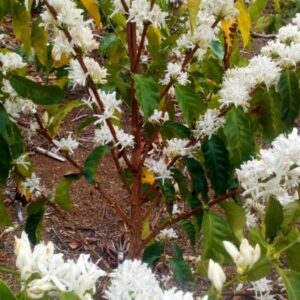
2. Flowering and Cherry Development
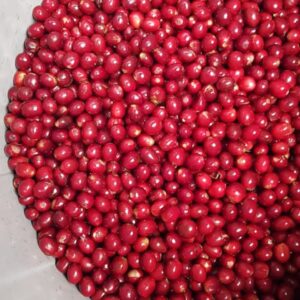
Coffee cherries typically mature over several months after flowering. Climate conditions and altitude influence maturation speed and flavor development.
Only fully mature cherries are selected for premium coffee production.
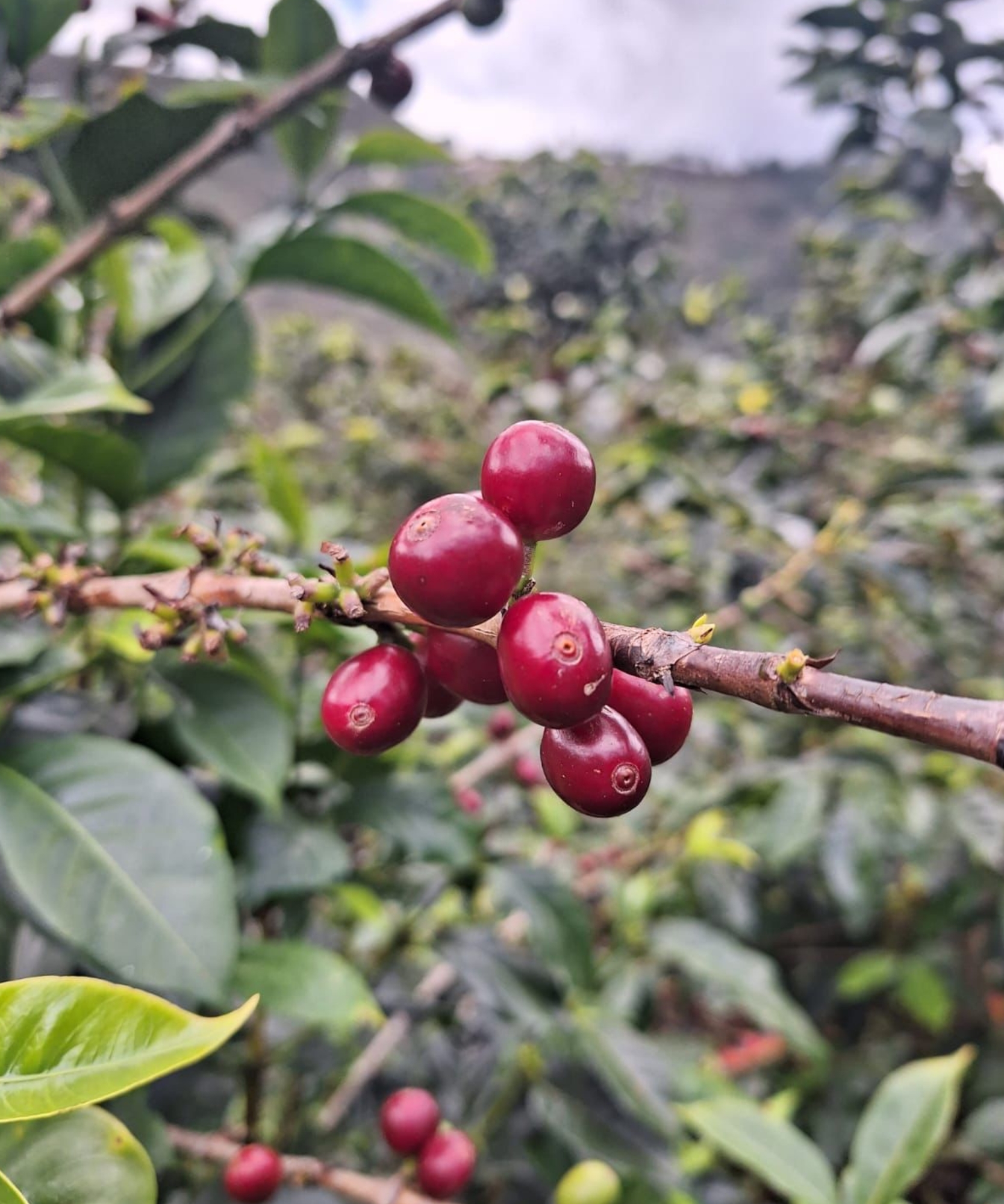
3. Selective Harvesting
Harvesting is conducted during peak ripeness to maximize cup quality.
We prioritize:
– Manual cherry selection
– Removal of underripe fruit
– Separation of overripe cherries
– Traceability by lot and harvest date.
Post-Harvest Processing
Processing plays a critical role in determining the final sensory profile of coffee.
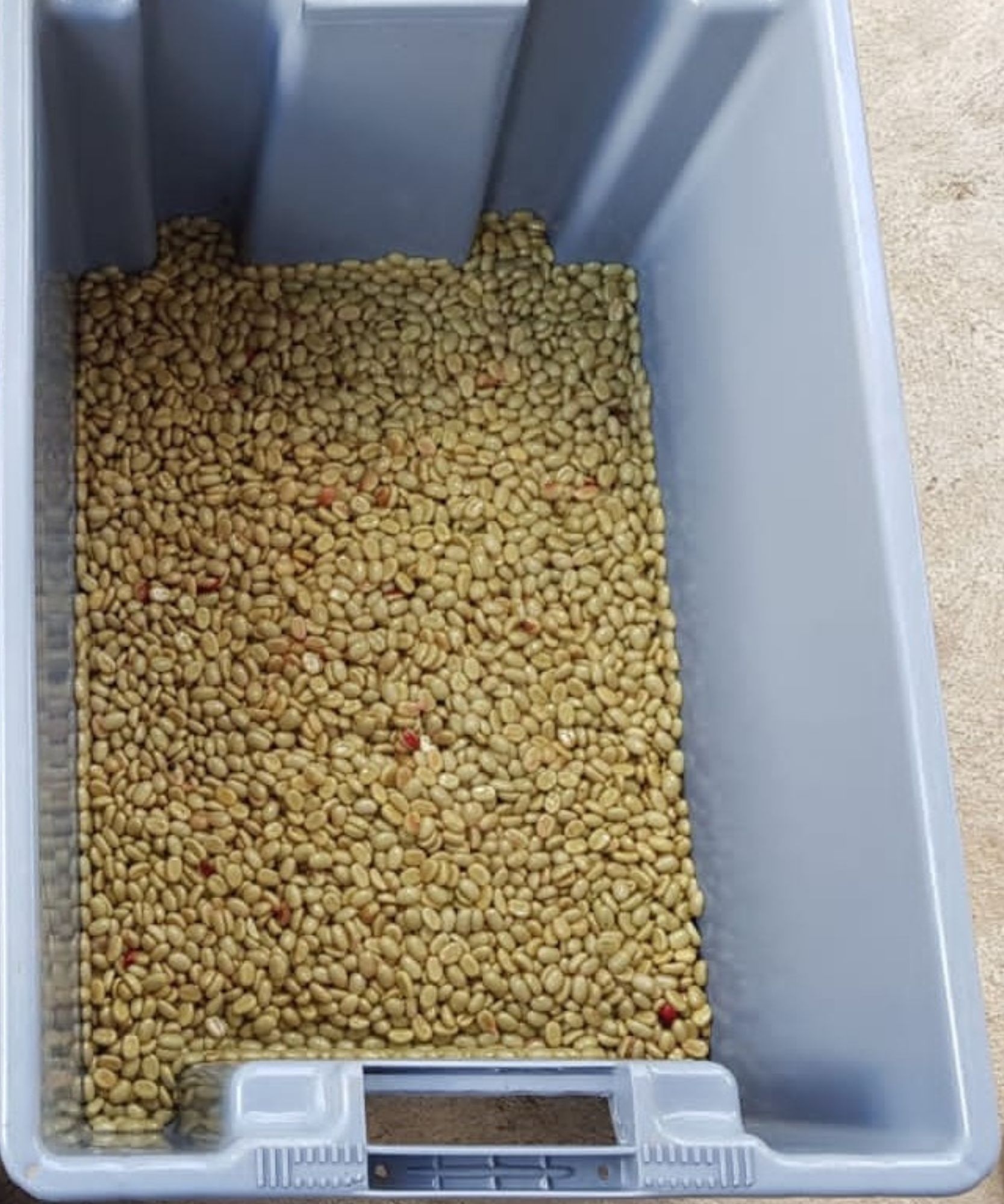
4. Washed Process
The washed method includes:
1. Cherry selection
2. Pulping
3. Controlled fermentation
4. Washing
5. Drying
Resulting profile:
– Clean cup
– Bright acidity
– Floral characteristics
– Greater origin transparency
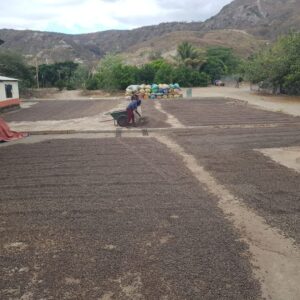
5. Natural Process
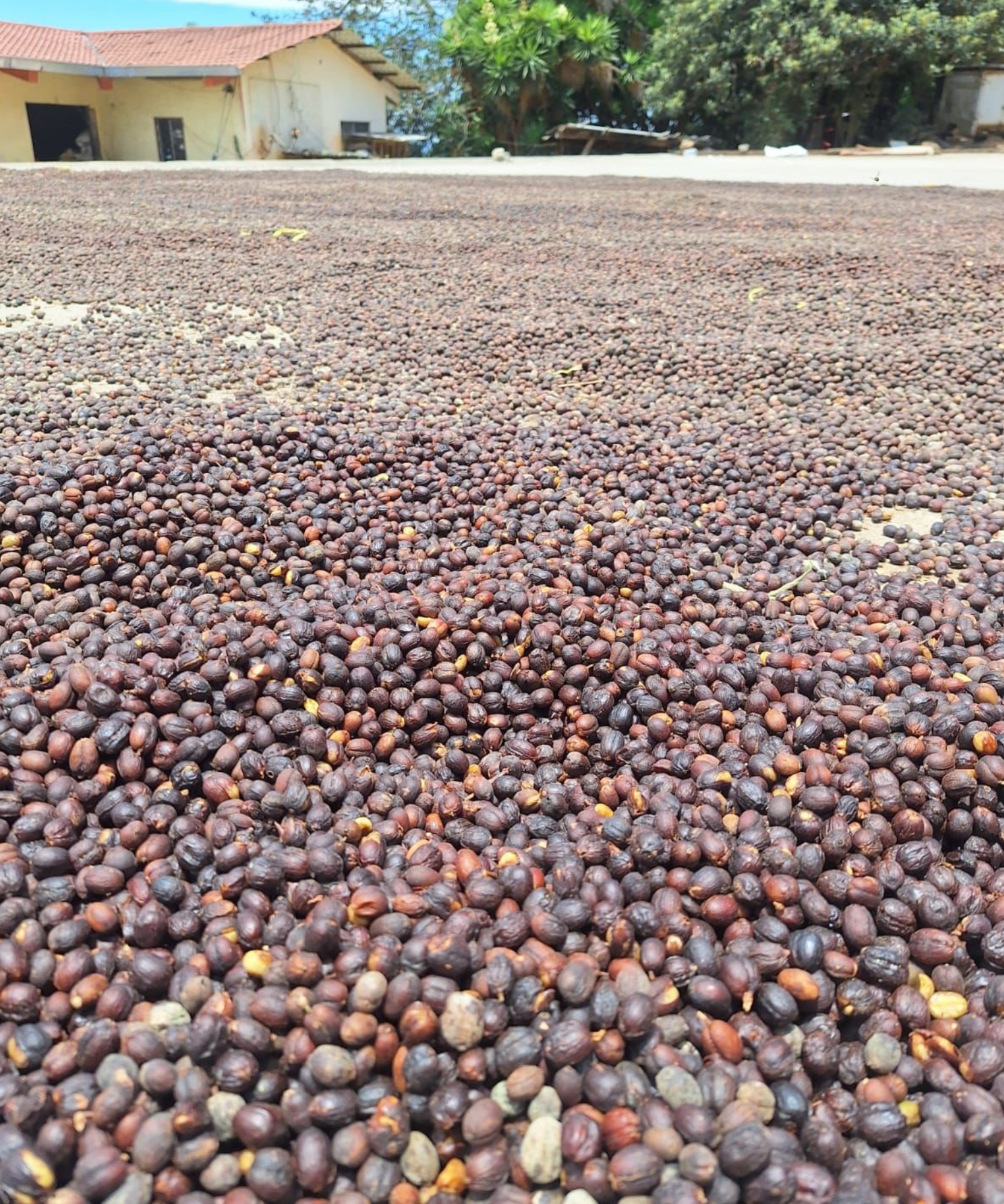
The natural process includes:
1. Cherry selection
2. Whole cherry drying
3. Moisture monitoring
4. Hulling
Resulting profile:
– Greater sweetness
– Fruit-forward notes
– Enhanced body
– Complex aroma development
6. Microlot Processing
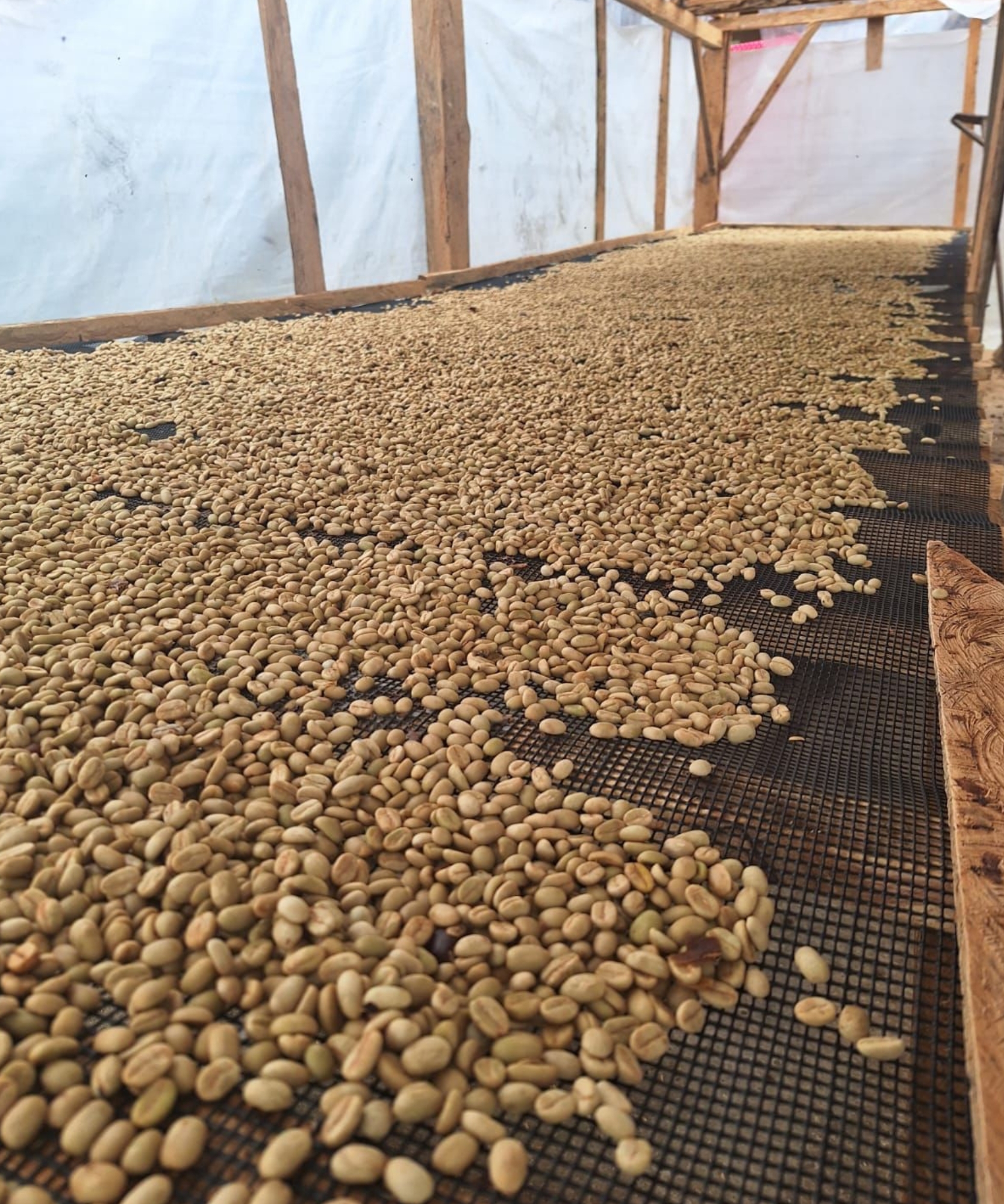
Our specialty microlots receive additional attention through:
– Small-batch processing
– Lot separation
– Controlled drying conditions
– Detailed cupping evaluation
– Individual traceability records
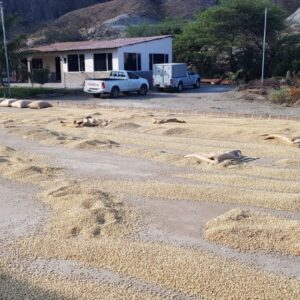
7. Drying and Moisture Control
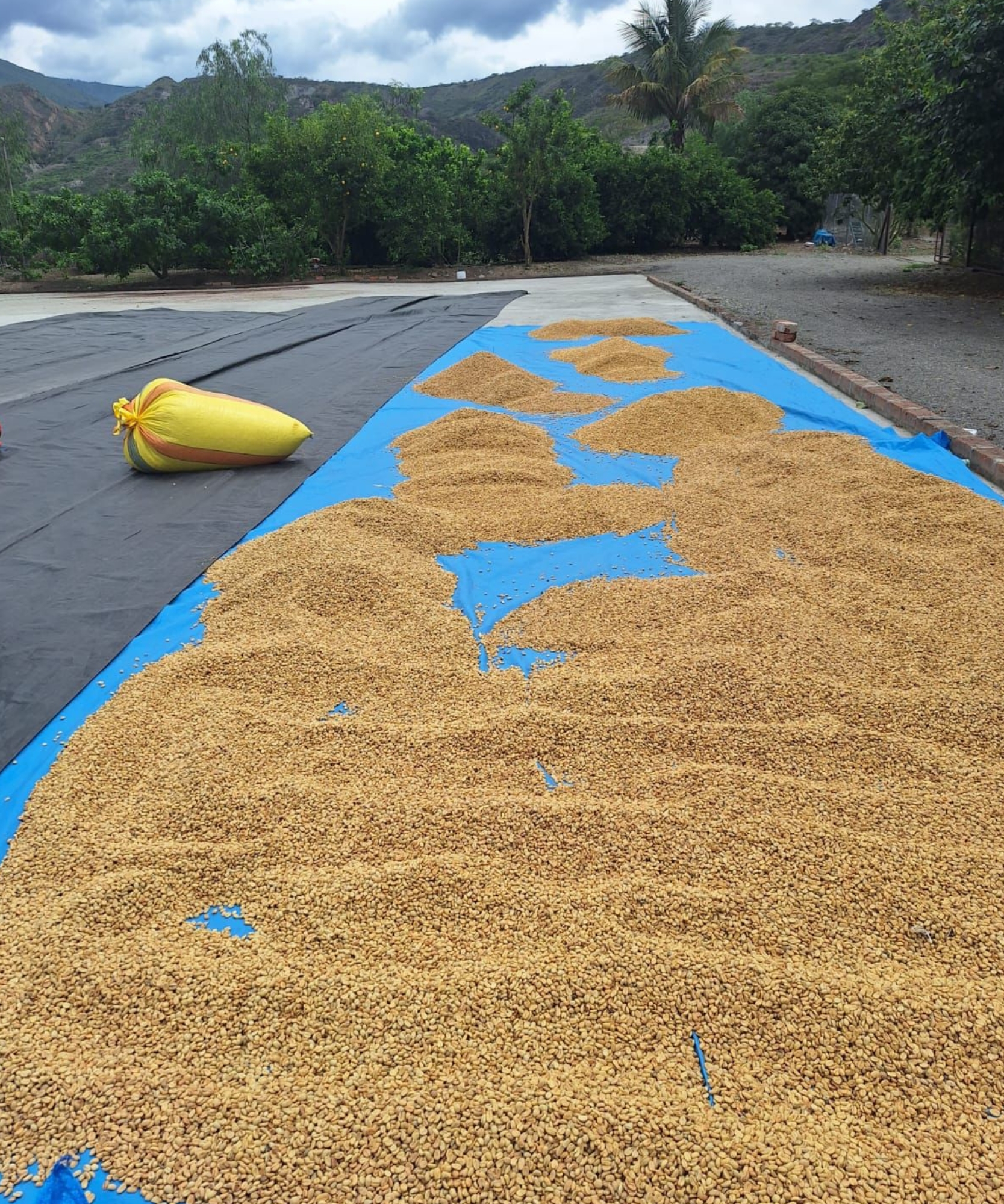
After processing, coffee is dried to export standards using controlled methods.
Drying systems may include:
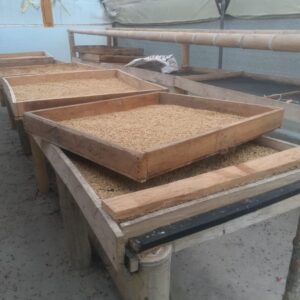
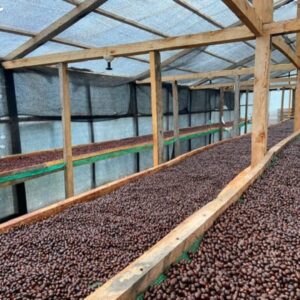
– Raised beds
– Solar drying
– Mechanical support systems when required
Key controls include:
– Uniform drying
– Moisture stabilization
– Protection from contamination
– Continuous quality inspection
Target moisture content is maintained according to international coffee trade requirements to ensure storage stability and preserve quality during shipment.
8. Milling and Preparation for Export
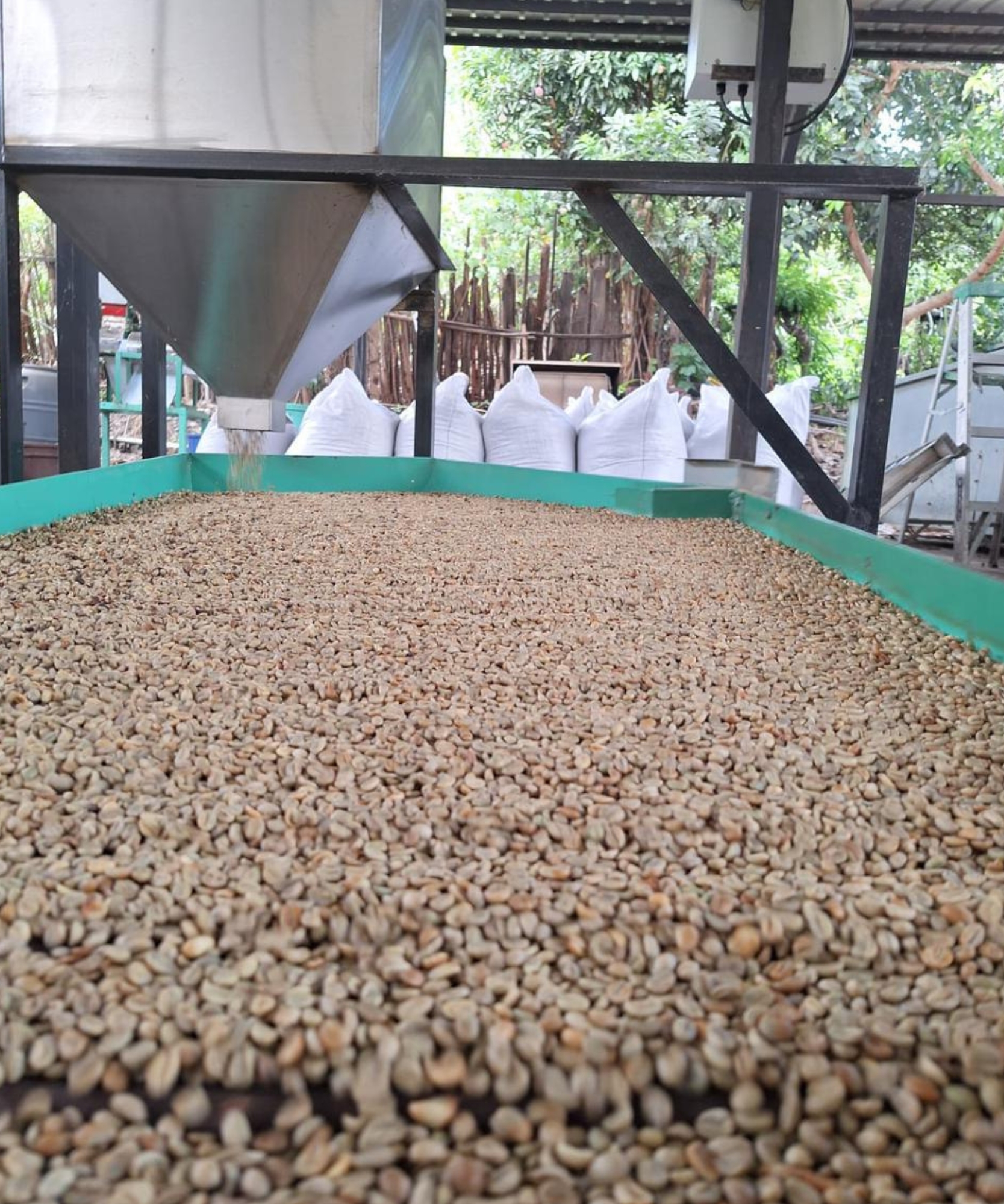
Before export, coffee passes through professional dry-milling operations.
Processes include:
Hulling
Removal of parchment or dried fruit layers.
Screening
Separation by bean size and density.
Density Sorting
Removal of defective and lightweight beans.
Color Sorting
Optical sorting systems identify and remove visual defects.
Manual Inspection
Final quality checks performed by trained personnel.
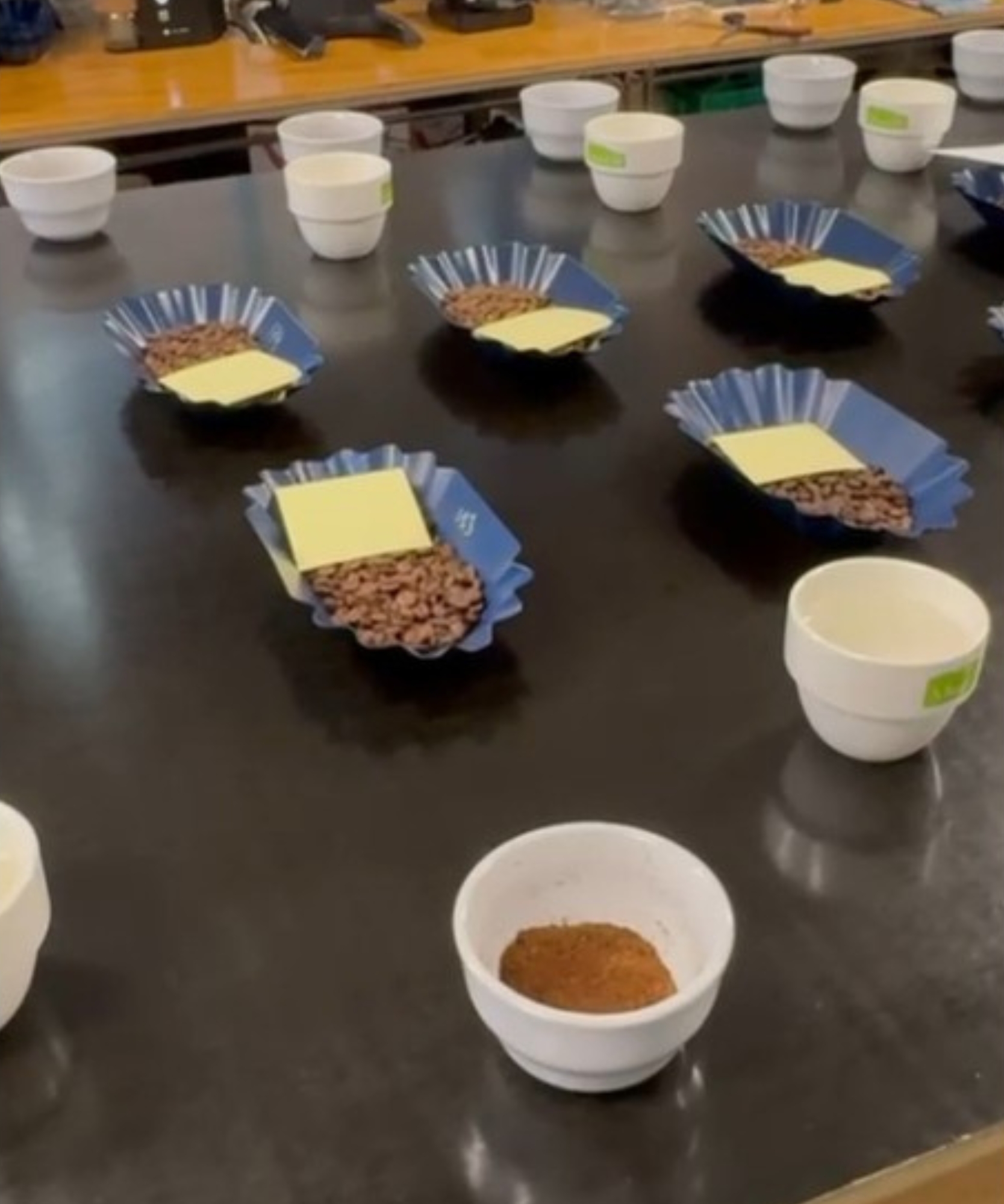
9. Quality Control and Cupping
Quality assurance is implemented throughout the supply chain.
Our control procedures may include:
– Moisture analysis
– Defect counting
– Density evaluation
– Screen-size verification
– Sensory assessment
– Specialty coffee cupping
Each lot can be evaluated for: Aroma, Flavor, Acidity, Body, Aftertaste, Uniformity, Clean cup.
This ensures consistent performance for roasters and industrial buyers.
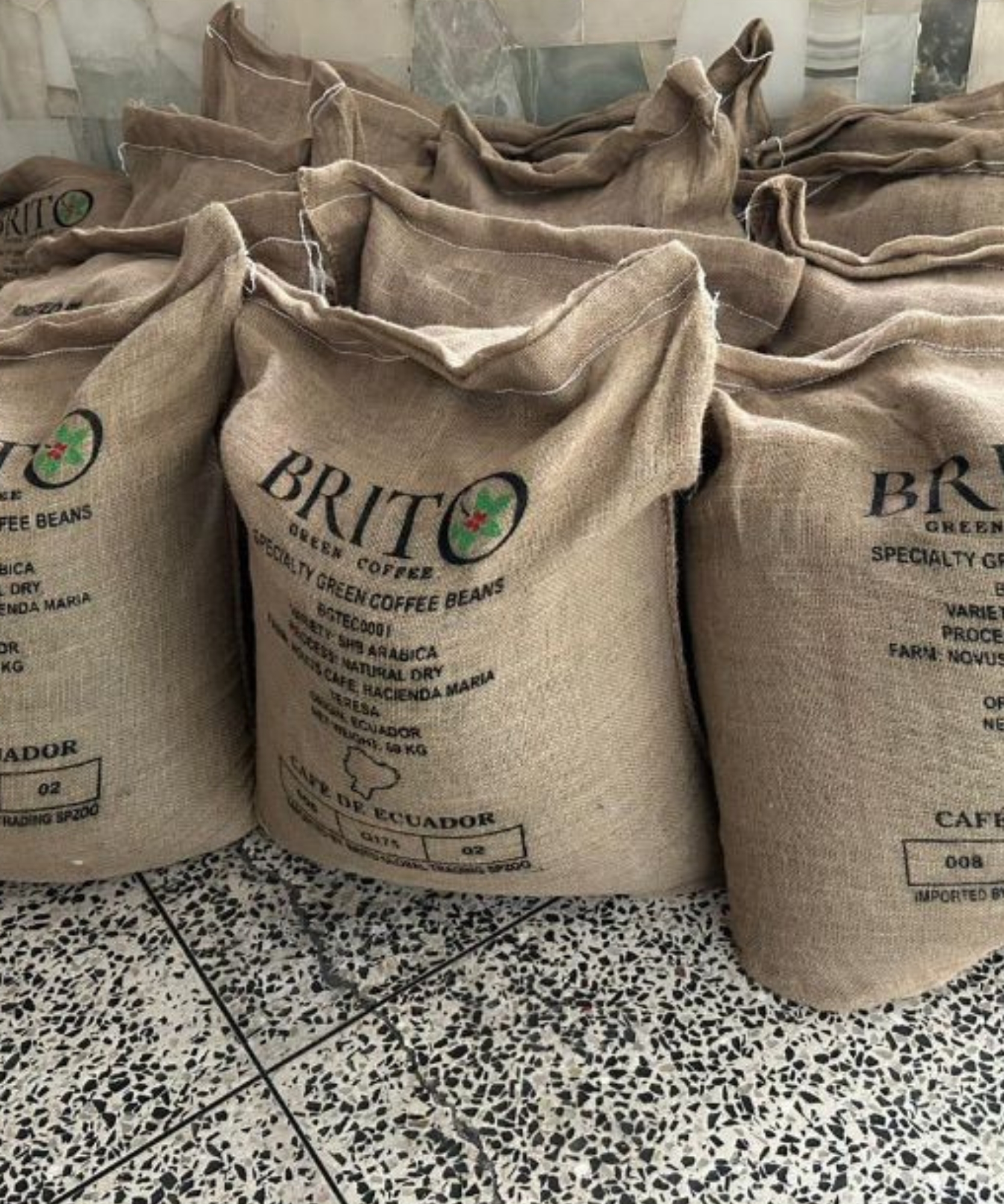
10. Export Packaging Options
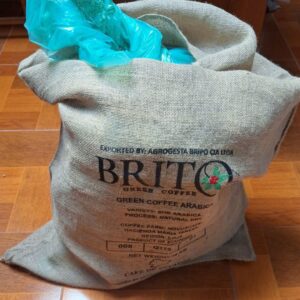
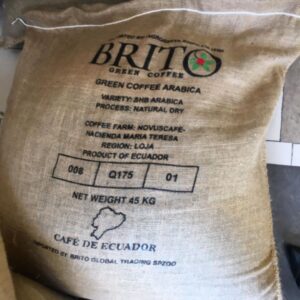
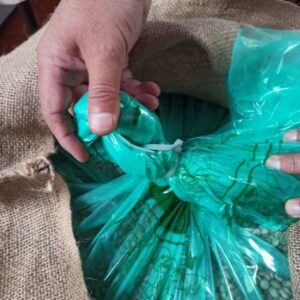
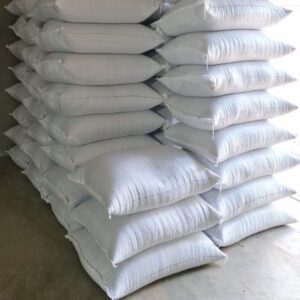
Bag specification: New jute or polypropylene bags, 60 kg net, with internal polyethylene liner. (Custom sizes available upon buyer request and seller confirmation)
Pallet type: Euro pallet 120 × 80 cm
Pallets per container: 21
Bags per pallet: 14 bags (60 kg each)
Total bags per container: 350 units, same bag specifications as above.
Container type: 40‑ft.container
Net load per container: 21 metric tons
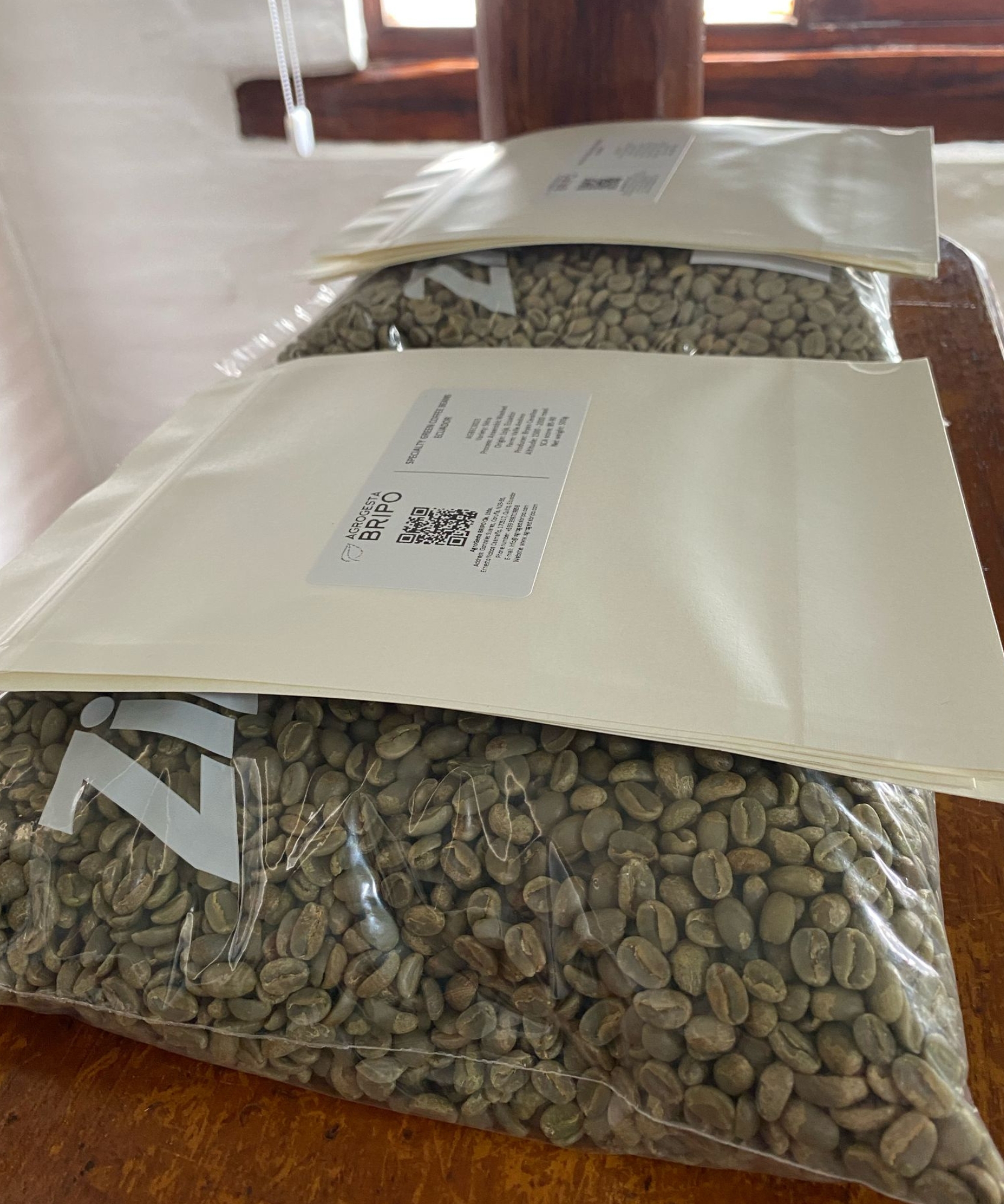
11. Export Documentation
Standard shipping documentation provided:
– Commercial invoice
– Packing list
– Bill of lading (B/L) – freight prepaid
– Certificate of origin
– SGS inspection certificate
– Cargo insurance (Institute Cargo Clauses (A) + Institute War Clauses + Institute Strikes Clauses) (according to CIF terms)
– Phytosanitary certificate
– Fumigation certificate (if applicable)
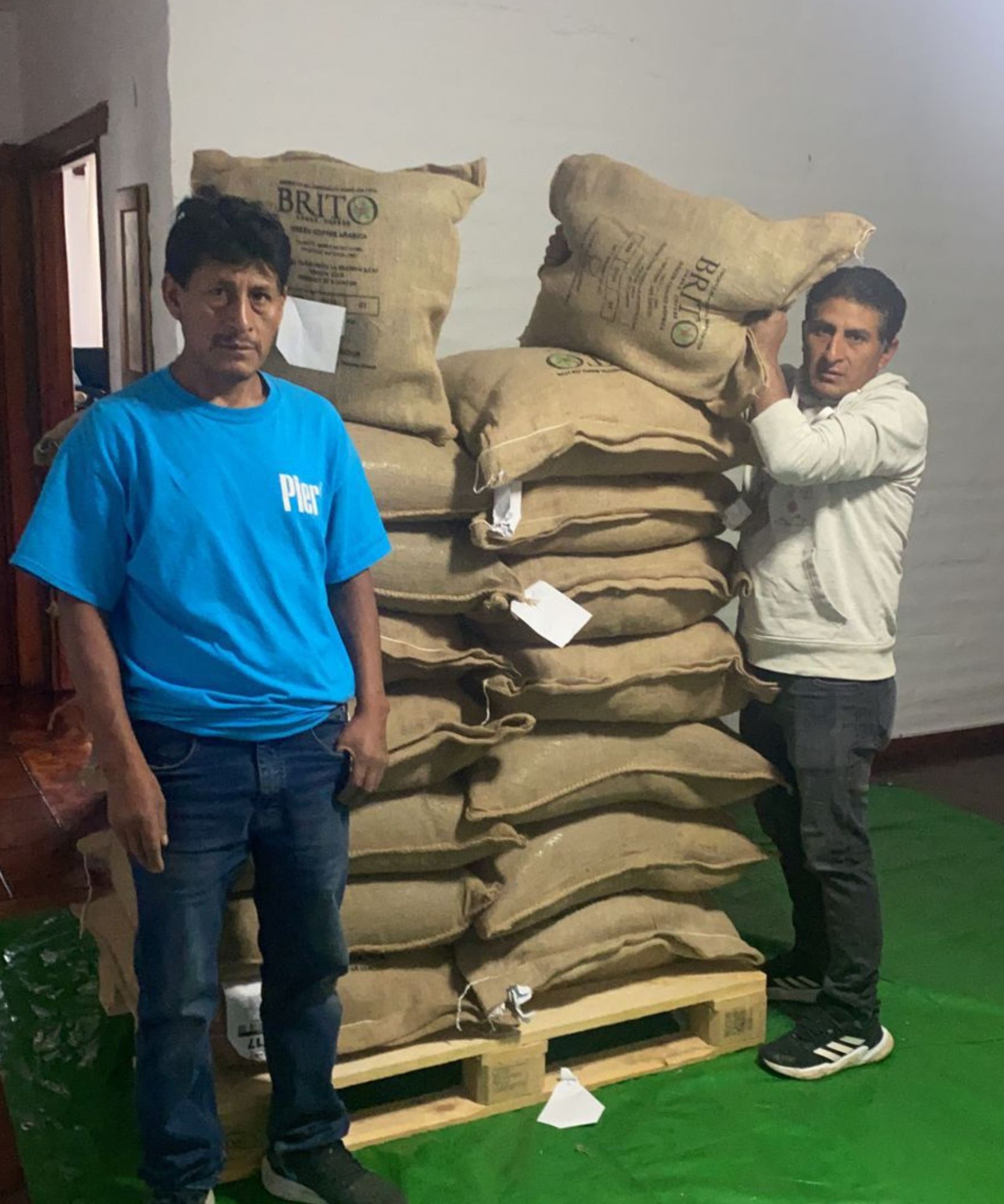
12. International shipments
We work to deliver consistent and traceable coffee shipments to buyers worldwide.
Port of loading: Guayaquil (ECGYE) and/or Manta (ECMEC), others.
AgroGesta BRIPO’s Ecuadorian fine green coffee beans. We invite everyone to request product samples and experience firsthand the consistency, flavor, and traceability that define our exports.
Contact us today to receive your customized sample package and start sourcing Ecuadorian green coffee beans from Ecuador.
Multimedia